

How to Fix Engine Sputtering: A DIY Diagnostic Guide
Table of Contents
- Engine Sputtering: What's Actually Happening and What You'll Need
-
Step-by-Step Diagnostic Workflow: How to Fix Engine Sputtering
- Step 1: Pull Diagnostic Trouble Codes and Freeze Frame Data
- Step 2: Inspect the Air Intake and Check for Vacuum Leaks
- Step 3: Test the Ignition System (Spark Plugs and Coils)
- Step 4: Check Fuel Delivery (Filter, Pump, Injectors, Pressure)
- Step 5: Evaluate Sensors and Live Data (MAF, O2, Fuel Trim)
- Step 6: Confirm with a Road Test and Re-scan
- Engine Sputtering When Accelerating: Common Causes and Fixes
- Engine Sputtering at Idle: What Rough Idle Tells You
- Engine Sputtering When Starting: Cold Start and Hard Starting Issues
- Can You Drive with a Sputtering Engine? Safety and Urgency Guidance
- Repair Costs, DIY vs Professional Decisions, and Prevention
- Frequently Asked Questions
Last Updated: October 12, 2026
Engine Sputtering: What's Actually Happening and What You'll Need
Engine sputtering is a symptom, not a diagnosis.
The good news: most sputtering traces back to a handful of systems you can check in your own garage. OBD-II diagnostic standards overview covers the scan protocols we reference throughout this guide.
Here's the plan. We'll walk through a safe, ordered diagnostic workflow, then break down what sputtering means when it happens at idle, during acceleration, and on cold starts.
Tools and Prerequisites for Diagnosis
You don't need a full shop to start. You need the right basics:
- OBD-II scanner (a basic code reader works, a live-data scanner is better)
- Socket set with spark plug socket
- Fuel pressure gauge
A common mistake is skipping the scanner and guessing. The scan tool narrows your search fast.
Step-by-Step Diagnostic Workflow: How to Fix Engine Sputtering
Work through these steps in order. Chasing parts randomly wastes money and time. The goal is to let data, not guesses, tell you which system is at fault.
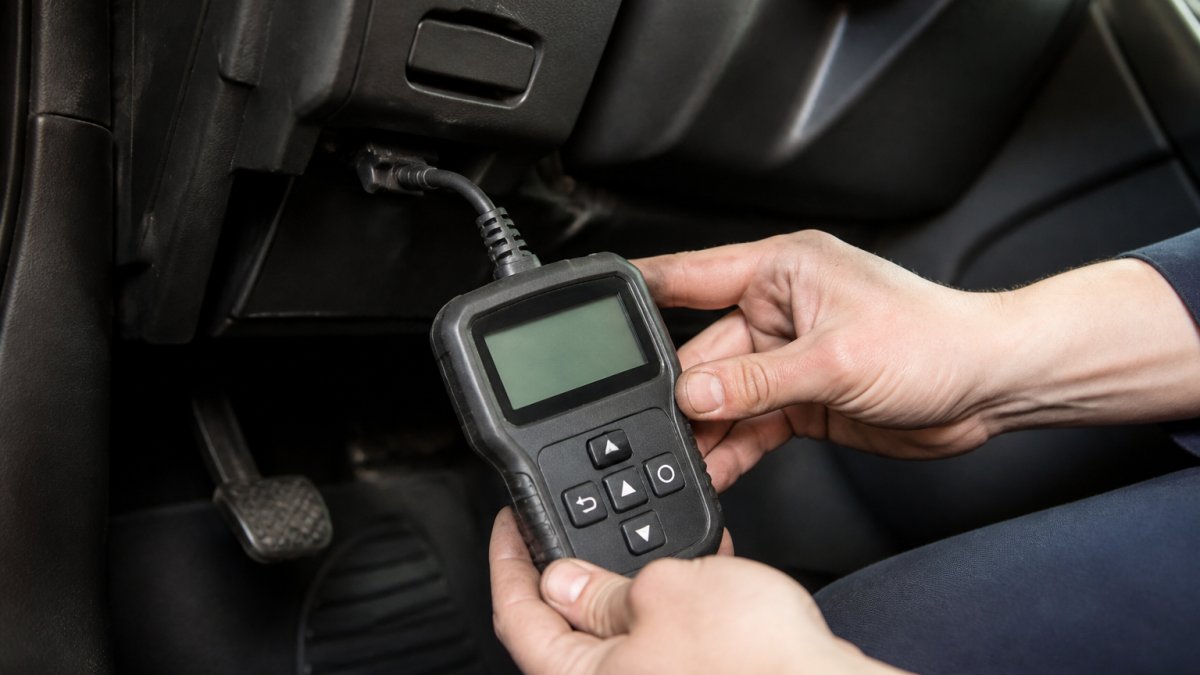
Step 1: Pull Diagnostic Trouble Codes and Freeze Frame Data
Start by reading every stored and pending code. Write them all down, not just the first one.
Freeze frame data is the snapshot of engine conditions at the moment the fault set. Look at RPM, engine load, coolant temperature, and vehicle speed.
If your scanner shows live data, watch these PIDs while the engine idles and while you rev it:
- Short-term and long-term fuel trims (STFT and LTFT)
- Mass airflow (MAF) sensor reading in grams per second
- Calculated load
A common pattern: LTFT above +10% at idle that drops toward zero as RPM rises suggests a vacuum leak.
Step 2: Inspect the Air Intake and Check for Vacuum Leaks
Unmetered air throws off the air-fuel ratio and causes a lean condition. Check the air filter first, a clogged filter restricts airflow and can cause rich running and poor acceleration.
Spray carb cleaner or use a smoke machine around suspect vacuum lines, the intake manifold gasket, and the throttle body gasket. If idle changes when you spray a specific area, you found a leak.
Step 3: Test the Ignition System (Spark Plugs and Coils)
Pull the spark plugs and read them. Worn plugs, fouled tips, or wrong gaps cause misfires.
Swap coils between cylinders to see if the misfire code follows the coil. If the code moves with the coil, replace the coil.
Check ignition coil resistance with a multimeter and compare to your service manual spec. A coil that tests fine cold but fails hot is a common cause of intermittent sputtering.
Step 4: Check Fuel Delivery (Filter, Pump, Injectors, Pressure)
A clogged fuel filter or weak fuel pump drops fuel pressure. Test at the rail and compare to spec, both at idle and under load.
Listen to the injectors with a stethoscope, or check resistance. A noid light can confirm the injector is receiving a pulse. If fuel pressure drops after the pump primes, suspect a leaking check valve or failing pump.
Step 5: Evaluate Sensors and Live Data (MAF, O2, Fuel Trim)
Watch fuel trim numbers. Positive trim means the engine is adding fuel to fix a lean condition.
Check the MAF sensor reading against expected values for your engine. A dirty MAF under-reports air, causing a lean condition.
Check the upstream O2 sensor for switching activity. A lazy or dead O2 sensor can cause the computer to misjudge the mixture and trigger sputtering.
Step 6: Confirm with a Road Test and Re-scan
After any repair, clear the codes and drive the vehicle under the same conditions that originally triggered the sputtering. Re-scan for pending codes and watch live data. If fuel trims return to normal and no misfire counters increment, the repair is confirmed.
If the problem persists, go back to the freeze frame data and compare. The conditions that set the code will tell you which system still needs attention.
Engine Sputtering When Accelerating: Common Causes and Fixes
Sputtering under acceleration usually means the engine can't deliver enough fuel or spark when demand rises. This is the operating condition that most clearly separates ignition problems from fuel delivery problems, and the diagnostic logic here is different from idle or cold-start issues.
Why Acceleration Changes the Diagnosis
At idle, the engine needs very little fuel and spark energy. Under acceleration, cylinder pressure rises, fuel demand increases, and the ignition system must fire a denser air-fuel mixture. A weak coil or worn plug that works fine at idle can break down under load. A fuel pump that holds pressure at idle can fall short when the engine calls for more volume.
Most Common Causes (in order of likelihood)
- Worn spark plugs with too wide a gap - The spark has to jump a larger gap under higher cylinder pressure, and a weak ignition system can't consistently make the jump.
- Failing ignition coil - Coils degrade with heat and age. They often test fine cold but fail under load.
- Weak fuel pump or clogged fuel filter - The pump may deliver enough volume at idle but not under demand. A clogged filter restricts flow when the engine needs more fuel.
- Dirty or failing mass airflow (MAF) sensor - Under-reports air, causing a lean condition that worsens as airflow increases.
- Exhaust restriction - A clogged catalytic converter or collapsed muffler can cause power loss and sputtering under acceleration, especially at higher RPM.
How to Narrow It Down
Start with live data. Watch fuel trims under acceleration. If long-term fuel trim climbs positive under load, suspect fuel delivery. If fuel trims stay normal but misfire counters increment, suspect ignition.
Check these first:
- Fuel pressure under load (not just at idle)
- Spark plug gap and condition
- Ignition coil resistance (test both cold and hot if possible)
If the misfire only appears above a certain RPM, suspect ignition or fuel volume, not a vacuum leak. Vacuum leaks typically cause problems at idle and light load, not under heavy acceleration.
What Makes This Different from Idle Sputtering
Idle sputtering often points to vacuum leaks, dirty injectors, or a sticking idle air control valve. Acceleration sputtering points to components that fail under demand: coils, plugs, fuel pump, and MAF sensor. If you have sputtering at both idle and acceleration, start with the fuel and ignition systems because they affect all operating conditions.
Quick Fixes You Can Try
- Replace spark plugs if they are due or show wear.
- Swap coils to see if the misfire follows the coil.
- Replace the fuel filter if it hasn't been changed in the last 30,000 miles.
If these don't resolve the issue, move to fuel pressure testing and exhaust backpressure testing.
Engine Sputtering at Idle: What Rough Idle Tells You
Rough idle points toward a vacuum leak, dirty fuel injectors, or a failing sensor. At idle, small air leaks matter more because the engine needs less fuel.
A dirty mass airflow sensor misreads air volume and throws off the air-fuel ratio. Clean it with MAF-specific spray, never brake cleaner.
Also check the idle air control valve on older vehicles. A sticking valve causes hunting idle and stumbles.
Engine Sputtering When Starting: Cold Start and Hard Starting Issues
Cold-start sputtering often comes down to fuel quality, a weak fuel pump, or a bad coolant temperature sensor. On a cold engine, the control module richens the mixture.
Hard starting paired with sputtering can also mean low fuel pressure. The pump may prime but not hold pressure. Test it with a gauge that stays connected overnight.
Fuel quality matters here. Old or low-octane fuel can cause knock and hesitation. fuel octane ratings explained by the U.S. Department of Energy breaks down how octane affects combustion.
Can You Drive with a Sputtering Engine? Safety and Urgency Guidance
You can sometimes drive with mild sputtering, but it depends on the cause and the warning signs. If the check engine light is steady and the car drives mostly normal, you can usually limp to a shop.
Stop immediately if you notice:
- Flashing check engine light
- Loss of power so severe you can't keep speed
- Strong fuel smell
Driving on a bad misfire dumps unburned fuel into the exhaust. That overheats the catalytic converter and can cost you a costly repair.
Repair Costs, DIY vs Professional Decisions, and Prevention
Some fixes are true DIY jobs. Spark plugs, air filters, and MAF cleaning are beginner-friendly. Fuel pump replacement and injector service often need a lift and specialty tools.
Here's how to decide:
| Symptom | Likely Cause | DIY or Pro | Difficulty |
|---|---|---|---|
| Misfire at idle | Vacuum leak | DIY | Easy |
| Sputter under load | Weak fuel pump | Pro | Hard |
| Rough cold start | Coolant temp sensor | DIY | Medium |
| Random misfire | Worn plugs or coils | DIY | Easy |
| Lean condition | Dirty MAF sensor | DIY | Easy |
Prevention keeps sputtering away. Use quality fuel, replace filters on schedule, and keep up with ignition maintenance. For high-performance and towing builds, fuel and oil quality matter even more.
That's where The Boost Pros fits in. Our API engine oil performance standards aligned VPO Liquid Boost oil vitalizers help protect engines under heavy load, and our BOOSTane octane boosters support consistent combustion in high-compression builds.
Frequently Asked Questions
What causes your engine to sputter?
Engine sputtering usually traces back to one of four systems: fuel delivery, ignition, air intake, or sensors. A clogged fuel filter, failing fuel pump, or dirty fuel injectors restrict fuel flow and create a lean fuel mixture. Worn spark plugs or a weak ignition coil cause incomplete combustion. Vacuum leaks let unmetered air into the intake, throwing off the air-fuel ratio. A dirty mass airflow sensor or failing oxygen sensor sends bad data to the engine control module. An OBD-II scanner helps narrow down which system is at fault before you start replacing parts.
Can bad spark plugs make an engine sputter?
Yes. Spark plugs are one of the most common causes of engine sputtering, especially during acceleration or under load. When plug electrodes wear down or the gap widens, the spark weakens and combustion becomes inconsistent. You will often see a misfire code (like P0301 through P0308) stored in the engine control module. Pulling the plugs and inspecting them takes minutes. Look for worn electrodes, heavy deposits, or oil fouling. Replacing a set of plugs is inexpensive and often resolves the sputtering immediately.
Can I drive with a sputtering engine?
You can drive a short distance to a safe location or repair shop if the sputtering is mild and the check engine light is steady. Stop driving immediately if the check engine light is flashing, you lose significant power, or the engine stalls repeatedly. A flashing check engine light means unburned fuel is reaching the catalytic converter, which can overheat and permanently damage it. Towing is the safer choice when symptoms are severe. Continuing to drive with a sputtering engine risks turning a minor repair into an expensive one.
How do you diagnose an engine that sputters when accelerating?
Start by connecting an OBD-II scanner and checking for stored misfire codes and freeze frame data, which shows the exact conditions when the fault occurred. Then inspect the ignition system: pull the spark plugs and check the coils. Test fuel pressure at the rail and compare it to spec. Check for vacuum leaks by spraying carb cleaner around intake gaskets and hoses while the engine idles. Review live data for fuel trim values. Positive fuel trim above 10% at acceleration points toward a lean condition from a weak pump, clogged filter, or vacuum leak.
Sputtering rarely fixes itself, and guessing at parts gets expensive fast. Start with the diagnostic workflow, confirm the cause, then repair with confidence. When you're ready to protect a built or hard-working engine, The Boost Pros offers expert-vetted fuel optimization and engine protection products. Shop our VPO Oil Vitalizers, BOOSTane octane boosters, and race fuels to keep your engine running clean. Get started with The Boost Pros and give your build the protection it deserves.